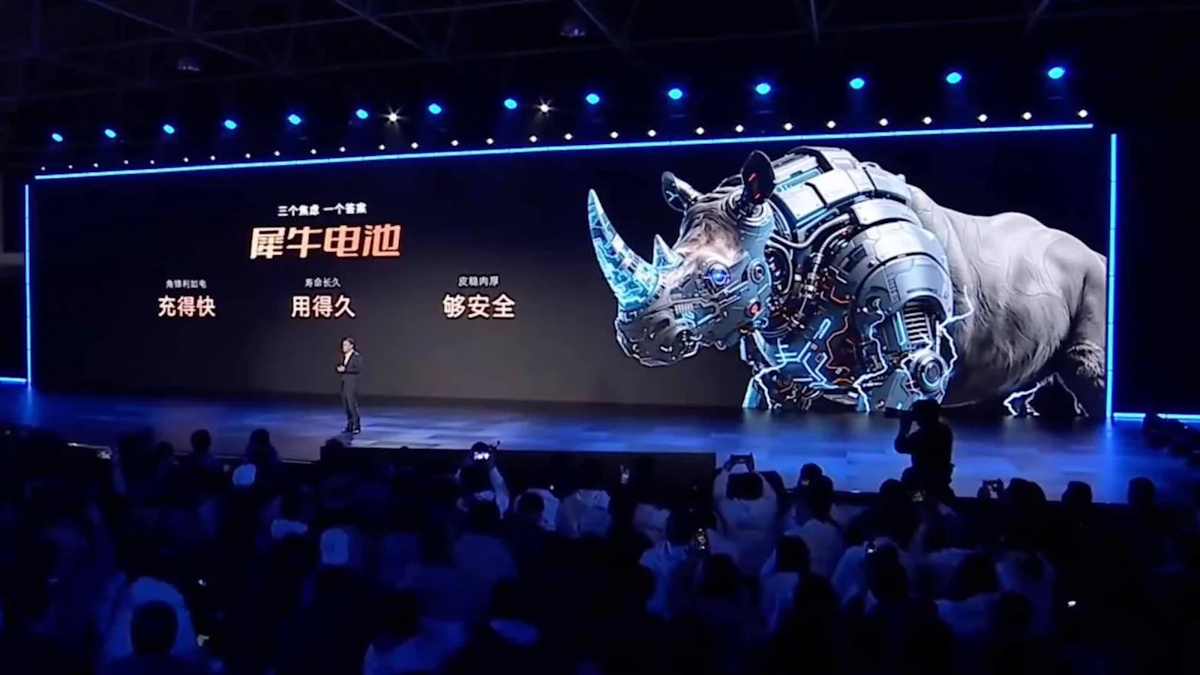
Chery has launched what it calls the Rhino battery safety assurance plan, a programme that combines an unusually strict set of in-house manufacturing standards with a consumer protection promise: if a battery-induced thermal runaway causes physical damage to your vehicle, Chery will replace the car. The announcement is backed by a €1.3 billion (10 billion yuan) research and manufacturing investment programme that has been running for several years, and comes into effect as China introduces updated national safety standards for electric vehicle batteries.
The timing is not coincidental. Chery’s domestic passenger car deliveries have been falling sharply, from 51,417 units in June 2025 to 31,738 in May 2026, a 34.8% year-on-year decline that has left the brand with a 2.1% share of the Chinese domestic market. The Rhino programme is a direct response to that pressure, using safety credentials and a robust warranty commitment as the primary tool to rebuild consumer confidence. It follows a similar playbook to what BYD has done with its megawatt charging and high-C battery debate, and reflects a broader trend in the Chinese EV market where battery safety has become the central competitive battlefield.
What the Standards Actually Mean
The headline figure is the 1,500-joule underbody impact rating, which Chery says is ten times the current Chinese state regulatory minimum. At cell level, the battery passes a simultaneous ten-pin puncture test with no recorded smoke or ignition. Combined stress tests, covering physical crushing, water immersion and nail punctures in sequence, are conducted without triggering thermal runaway. These are not paper specifications. Chery says a fleet of 43,000 test vehicles has accumulated over 1.2 billion kilometres with zero recorded battery fire incidents.
The manufacturing environment behind these results is worth understanding. The battery cell coating line operates inside a specialised environmental purification capsule designed to prevent the internal short circuits that can cause fires in service. The assembly area maintains an average count of 40 dust particles of 0.5 micrometres or larger per cubic metre, which is an extremely low contamination level for a manufacturing environment. A 100-metre magnetic levitation logistics line moves components through the facility, eliminating the friction-induced dust that conventional conveyor systems generate. If you want to understand why manufacturing cleanliness matters so much for LFP versus NMC battery longevity, my explainer covers the chemistry behind it.
The Solid-State Roadmap
The Rhino manufacturing infrastructure is also Chery’s stepping stone toward solid-state batteries. The company has filed a patent for sulfide-based solid-state electrolytes, specifically addressing material degradation, which is one of the main engineering obstacles preventing solid-state cells from reaching production at scale. The internal programme targets energy densities of up to 600 Wh/kg for future production models, which would be a significant step beyond the 250-350 Wh/kg typical of current NMC high-density cells.
The current liquid and semi-solid-state iterations are in production now. The solid-state transition is framed as a natural progression from the same manufacturing base, rather than a parallel development track that would require building new factories from scratch. Whether that timeline holds is another matter, but the engineering foundation being laid here is at least coherent.
What the Warranty Actually Covers
The lifetime battery warranty applies to all current and future Chery passenger EV platforms. The vehicle replacement commitment specifically covers cases where battery thermal runaway causes physical damage to the car. Chery has not published the full terms publicly, so the precise conditions for what qualifies as a covered event, and what documentation would be required, are not yet clear from available sources.
The commercial logic is familiar. Brands including BYD, GAC Aion and Zeekr have all used extended battery warranties as a differentiator in markets where buyers are uncertain about long-term EV ownership costs. CATL has pursued a parallel strategy through its battery swapping approach, which I’ve covered in the context of CATL’s European market ambitions. Chery is applying the same consumer confidence logic, but anchoring it in verifiable manufacturing data rather than just warranty paperwork.
Does This Affect European Buyers?
Chery sells vehicles in Europe primarily through the Omoda and Jaecoo sub-brands. The Rhino programme covers Chery’s passenger EV platforms, which in practice includes the battery technology shared across those brands. Whether the exact warranty terms and replacement commitments described for the Chinese market will apply identically in Europe hasn’t been confirmed. European warranty regulation differs from China’s, and Chery would need to make explicit commitments through its European distribution network for any of this to be enforceable here.
That said, the manufacturing standards themselves are not market-specific. If the battery cells going into European-market Omoda and Jaecoo vehicles are produced under the same Rhino manufacturing protocols, buyers benefit from that regardless of what the warranty paperwork says. The distinction is between what the engineering delivers and what the brand will commit to in writing.
FAQ
What is the Chery Rhino battery safety programme?
The Rhino programme is Chery’s internal battery safety and manufacturing standard, launched in July 2026. It sets physical testing requirements ten times stricter than the current Chinese national minimum, backed by a 10 billion yuan research investment. It also includes a consumer commitment to replace the vehicle if battery thermal runaway causes physical damage.
What does “10x safety standards” mean in practice?
The underbody impact resistance is rated at 1,500 joules, which is ten times the updated Chinese state regulatory minimum. Cell-level tests include simultaneous ten-pin puncture with no smoke or ignition, and combined stress sequences of crushing, water immersion and nail puncture without triggering thermal runaway.
Is this available in Europe?
The Rhino programme covers Chery’s passenger EV platforms, including technology shared with Omoda and Jaecoo models sold in Europe. Whether the vehicle replacement warranty commitment applies in European markets under the same terms as in China hasn’t been confirmed. Manufacturing standards, however, are not market-specific.
Why is Chery launching this now?
Chery’s domestic Chinese deliveries fell 34.8% year-on-year between June 2025 and May 2026. The Rhino programme is a direct commercial response, using safety credentials and a strong warranty as tools to rebuild consumer trust in a market where battery safety anxiety has become a significant purchase factor.
What does Chery’s solid-state battery development involve?
Chery has filed a patent for sulfide-based solid-state electrolytes addressing material degradation, targeting energy densities of up to 600 Wh/kg. The current manufacturing infrastructure is designed as a stepping stone to solid-state production, with liquid and semi-solid-state cells in production now.
Source: Chery
Marko Lubar is the Founder and Editor of ElectricFleet Online, where he covers the latest developments in electric vehicles, battery innovation, autonomous driving, artificial intelligence, and the technologies shaping the future of mobility.
Learn more about Marko and the mission behind ElectricFleet Online on the About Us page.
Latest News