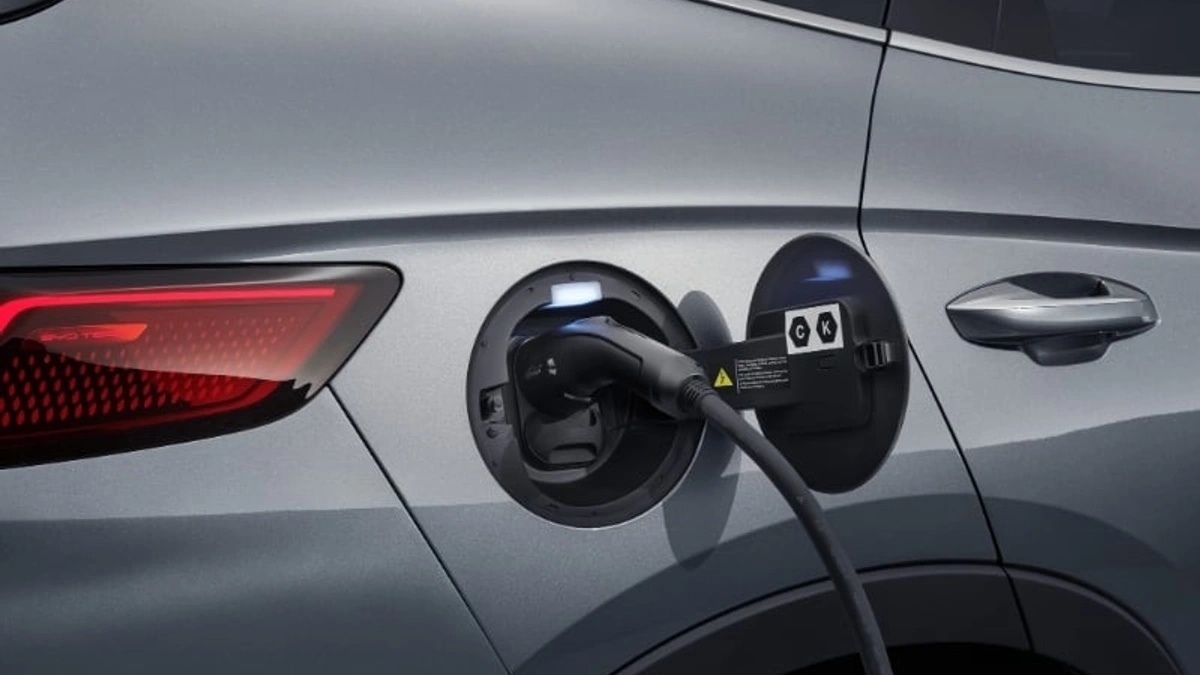
BYD’s latest charging technology is seriously impressive on paper, but it is also starting a wider conversation about just how far ultra fast charging should go. According to reports from ChinaEVHome, a recent public charging demonstration involving the Fangchengbao Leopard 3 saw battery temperatures reportedly climb over 76°C during a megawatt charging session. That immediately sparked debate online, especially among EV enthusiasts and engineers closely following battery technology development. And it is not hard to see why.
BYD is currently pushing EV charging harder than almost anyone else in the industry. While most modern EVs still top out somewhere around 150 to 350 kW, BYD is already talking about charging speeds above 1 MW. That is a massive jump. The idea is simple enough: reduce charging times so much that stopping to recharge starts feeling closer to a normal fuel stop. In theory, that sounds fantastic for EV adoption.
The tricky part is heat.
BYD Is Taking Fast Charging To Another Level
The charging test involved the Fangchengbao Leopard 3, an electric SUV built for the Chinese market. During the session, reports claim charging power exceeded 1,000 kW, with battery temperatures eventually reaching around 76.4°C, while the vehicle’s own diagnostic system showed temperatures closer to 71°C. That is particularly important in this discussion because it goes beyond the commonly referenced national safety guideline of around ≤65°C for LFP cells, which is often cited as a threshold for maintaining long term thermal stability.

Now, that does not automatically mean something unsafe happened. Modern EVs constantly monitor battery temperatures and use sophisticated cooling systems specifically designed for situations like this. BYD itself has not suggested the battery operated outside safe limits during the demonstration.
Still, temperatures this high naturally raise questions about long term battery wear and degradation. Fast charging always creates heat. Push charging speeds even further, and managing that heat becomes increasingly difficult. That is really the bigger conversation here.
The EV industry is entering a phase where charging speed is becoming almost as important as range itself. Carmakers know buyers want shorter charging stops, especially on long trips, so everyone is racing toward faster and faster charging solutions. BYD simply happens to be one of the companies pushing the hardest right now.
Faster Charging Is Becoming The New EV Battleground
A few years ago, simply having 400 km of range felt like a major achievement. Now the conversation is changing fast. Today, charging speed is becoming one of the biggest selling points in the market. Buyers are increasingly asking how quickly a car can get back on the road, not just how far it can drive.
That is exactly why so many manufacturers are moving toward 800 volt architectures and more advanced battery systems. Cars like the latest 800 volt EVs available in Europe are already showing just how much difference faster charging can make in everyday use.


The challenge is that ultra fast charging is not just about plugging in more power. Everything around the battery has to improve as well, including cooling, charging infrastructure, battery chemistry, and long term durability.
Right now, megawatt charging still feels more like the next stage of EV development rather than something ready for widespread everyday use. Most charging stations in Europe are nowhere near capable of supporting those speeds yet. But the direction the industry is heading in is becoming pretty obvious.
The Leopard 3 Is Not Coming To Europe, At Least Not Yet
It is also worth mentioning that the Fangchengbao Leopard 3 itself is not currently planned for Europe. At the moment, Fangchengbao remains a China focused sub brand, although there is already growing speculation that some of its vehicles could eventually appear in Europe under the Denza brand. That would make a lot of sense considering BYD’s wider European expansion plans.
We are already seeing the company rapidly expand its lineup here with models like the BYD Seal U or Atto 3 Evo. And if that happens, some of this megawatt charging technology could eventually follow too.
FAQ
What is BYD megawatt charging?
It is BYD’s new ultra fast charging technology capable of delivering charging speeds above 1,000 kW.
Which car was involved in the charging test?
The reports involved the Fangchengbao Leopard 3 electric SUV.
Is the Leopard 3 coming to Europe?
Not at the moment. However, there is speculation that some Fangchengbao technology could eventually appear in Europe under the Denza brand.
Why are people discussing the battery temperature?
Reports claimed the battery temperature reached around 76°C during charging, raising questions about heat management and long term battery health.
Will Europe get megawatt charging soon?
Probably not immediately. Current charging infrastructure in Europe is still far from supporting widespread megawatt charging speeds.
News Source: China EV Home
Featured Image Source: Youtube Screenshot
Marko Lubar is the Founder and Editor of ElectricFleet Online, where he covers the latest developments in electric vehicles, battery innovation, autonomous driving, artificial intelligence, and the technologies shaping the future of mobility.
Learn more about Marko and the mission behind ElectricFleet Online on the About Us page.
Latest News