For the last few years, it felt like European carmakers were struggling to keep up in the affordable EV space. Chinese brands kept arriving with cheaper electric cars, Tesla pushed prices lower, and many European manufacturers focused mostly on larger and more expensive electric SUVs. But 2026 suddenly feels different.
This year, several European brands are finally launching smaller and more affordable EVs again. More importantly, these cars actually feel designed for European roads and everyday buyers rather than just chasing trends.
Some revive familiar names, others introduce completely new models, but together they show something important: Europe finally seems serious about affordable EVs again.
Volkswagen finally looks focused again
Volkswagen’s EV lineup has felt confused over the last few years, but things are starting to come together. The refreshed Volkswagen ID.3 Neo already feels much more polished and mature than the earlier ID.3 models. Then there is the new Volkswagen ID.Polo, which looks like a proper electric replacement for the compact hatchbacks that Volkswagen has traditionally done so well in Europe.

Later this year, Volkswagen is also expected to introduce the ID. Cross, giving buyers a smaller and more affordable electric crossover option. Together, these cars make it feel like Volkswagen is finally rebuilding its EV strategy around its loyal buyers again.
Škoda could quietly become a huge player
Škoda may not get as much attention as some other brands, but it could end up becoming one of the biggest winners of this affordable EV push.
>More From ElectricFleet: Top 3 Best Buy EVs In 2026
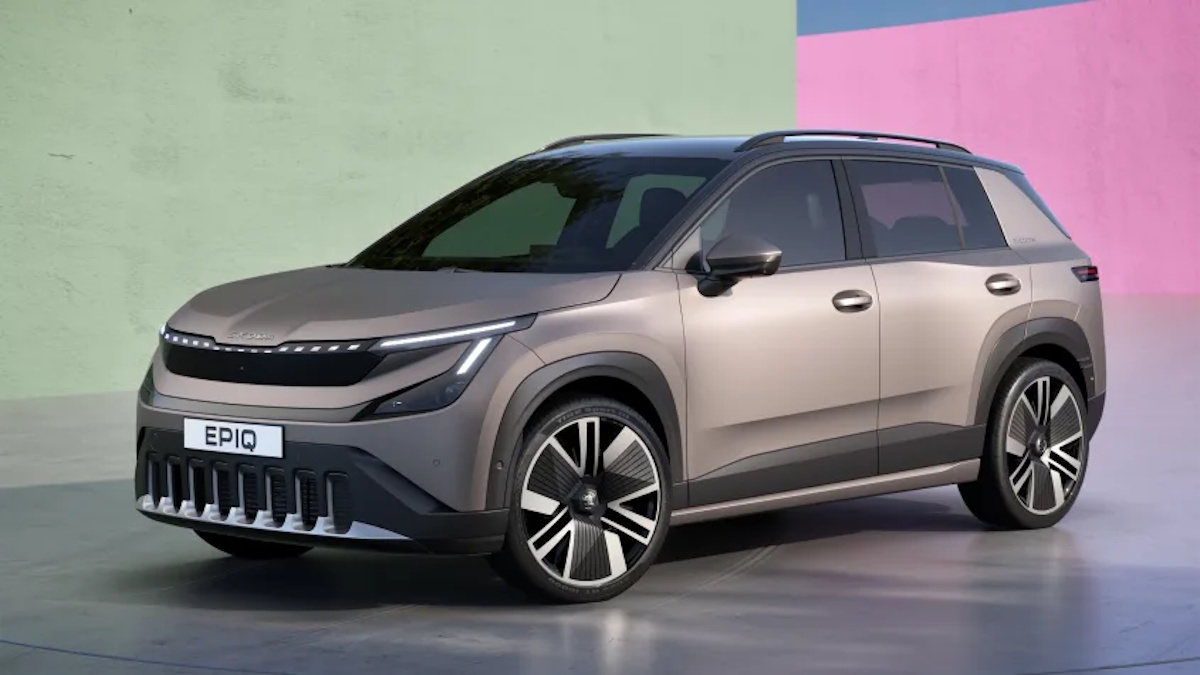
The upcoming Škoda Epiq already looks promising because it focuses on practicality, efficiency, and sensible pricing. Then there is the larger Škoda Peaq, which is expected to offer seven seats while still staying relatively accessible by EV standards.
That combination could work extremely well for families looking for something practical without moving into premium territory. Škoda has always been good at making sensible everyday cars, and that approach fits the current EV market perfectly.
Cupra is stepping into the small EV fight
The big news here is the Cupra Raval, a compact electric hatchback that targets the same space as cars like the Renault 5 E-Tech and Volkswagen ID.Polo. It is designed as a proper entry-level EV for the VW Group, and it feels like Cupra’s attempt to bring some personality into the more accessible part of the market instead of staying only in the sporty and premium space.

Alongside it, the updated Cupra Born also keeps things relevant. It is not a completely new model, but the refresh helps it stay competitive, especially for buyers who still want something a bit more dynamic to drive.
Renault still understands small cars better than most
Renault looks very serious about affordable EVs right now. The Renault Twingo E-Tech is attracting a lot of attention because Renault is trying hard to keep it close to the €20,000 mark across Europe. At the same time, the Renault 5 E-Tech already feels like one of the most important small electric hatchbacks arriving this year.
>Related: Top 5 Cheapest EVs in Europe Right Now
And Renault is not stopping there. The upcoming Renault Megane E-Tech should also help cover buyers looking for something slightly larger and more refined. What I personally like is that Renault still seems focused on smaller, lighter EVs that actually make sense for European cities.
Opel is keeping things simple
Opel’s EV strategy may not generate huge headlines, but it probably makes a lot of sense for mainstream buyers. The electric Opel Astra still feels recognisably like an Astra, which will appeal to people who simply want a affordable hatchback in electric form.

Later this year, Opel is also expected to launch the electric Corsa, which could become a very important EV simply because the Corsa name is already so well known across Europe. Sometimes familiarity matters more than futuristic design.
Fiat might surprise people this year
Fiat still has not fully revealed its new electric fastback, but it already sounds interesting.
The big talking point so far is the expected range of north of 400 kilometres, which would immediately make it competitive with many more expensive EVs. And Fiat also has a long history of building small practical cars for European cities, so there is a good chance this model ends up being far more practical than some larger crossovers.
The final name still has not been confirmed yet, but this could easily become one of Fiat’s most important EV launches in years.
Audi is bringing back an interesting idea
The upcoming Audi A2 e-tron might become one of the most interesting EV launches of the year. The original Audi A2 focused on efficiency and lightweight design long before those ideas became fashionable in the EV world. Now Audi appears ready to revisit that same philosophy in electric form.
Even if the A2 e-tron does not end up being truly affordable (it’s Audi after all), it still feels refreshing because it moves away from the oversized SUV direction that dominates so much of today’s EV market. And Europe probably needs more EVs like that.

FAQ
Why are European brands focusing on affordable EVs in 2026?
European manufacturers are responding to growing competition from Chinese brands and increasing demand for smaller and more affordable electric cars across Europe.
What are some of the most important affordable EVs coming in 2026?
Some of the most important upcoming affordable EVs include the Volkswagen ID. Polo, Renault Twingo E-Tech, Škoda Epiq, Opel Corsa Electric, and Fiat’s upcoming electric fastback.
Will Volkswagen launch more affordable electric cars in Europe?
Yes, Volkswagen is expanding its affordable EV lineup with models like the ID. Polo, refreshed ID.3 Neo, and the upcoming ID. Cross crossover.
Why is the Renault Twingo E-Tech important for Europe?
The Renault Twingo E-Tech is important because Renault is trying to keep it close to the €20,000 price point, making it one of the more accessible EVs for European buyers.
What is the Škoda Epiq?
The Škoda Epiq is an upcoming compact electric SUV focused on practicality, efficiency, and affordability for mainstream European buyers.
Is Europe finally becoming competitive in affordable EVs again?
2026 looks like a major turning point, with several European brands launching smaller and more practical EVs designed specifically for mainstream buyers rather than the premium segment.
Featured Image Credit: Autocar
Marko Lubar is the Founder and Editor of ElectricFleet Online, where he covers the latest developments in electric vehicles, battery innovation, autonomous driving, artificial intelligence, and the technologies shaping the future of mobility.
Learn more about Marko and the mission behind ElectricFleet Online on the About Us page.
Latest News