Euro NCAP published its first results under the new 2026 testing protocols, and two cars have earned five stars: the BMW iX3 and the Zeekr 7GT. They are the first vehicles ever assessed under a framework that fundamentally changed how car safety is measured, moving from a single overall score to four distinct stages: Safe Driving, Crash Avoidance, Crash Protection and Post Crash Safety. A car must reach minimum thresholds in all four to earn five stars, which means strong performance in one area can no longer compensate for a weak result in another.
The choice of these two particular cars to lead the first results batch is symbolically significant. One is a flagship product from BMW’s Neue Klasse generation, the company’s most ambitious technological reset in decades. The other is a Chinese premium electric estate that most European buyers still haven’t heard of. The fact that both passed comfortably, with Zeekr actually outscoring BMW in three of the four stages, is a statement about where the competitive landscape actually stands now.
BMW iX3: Strong Across the Board, With One Caveat
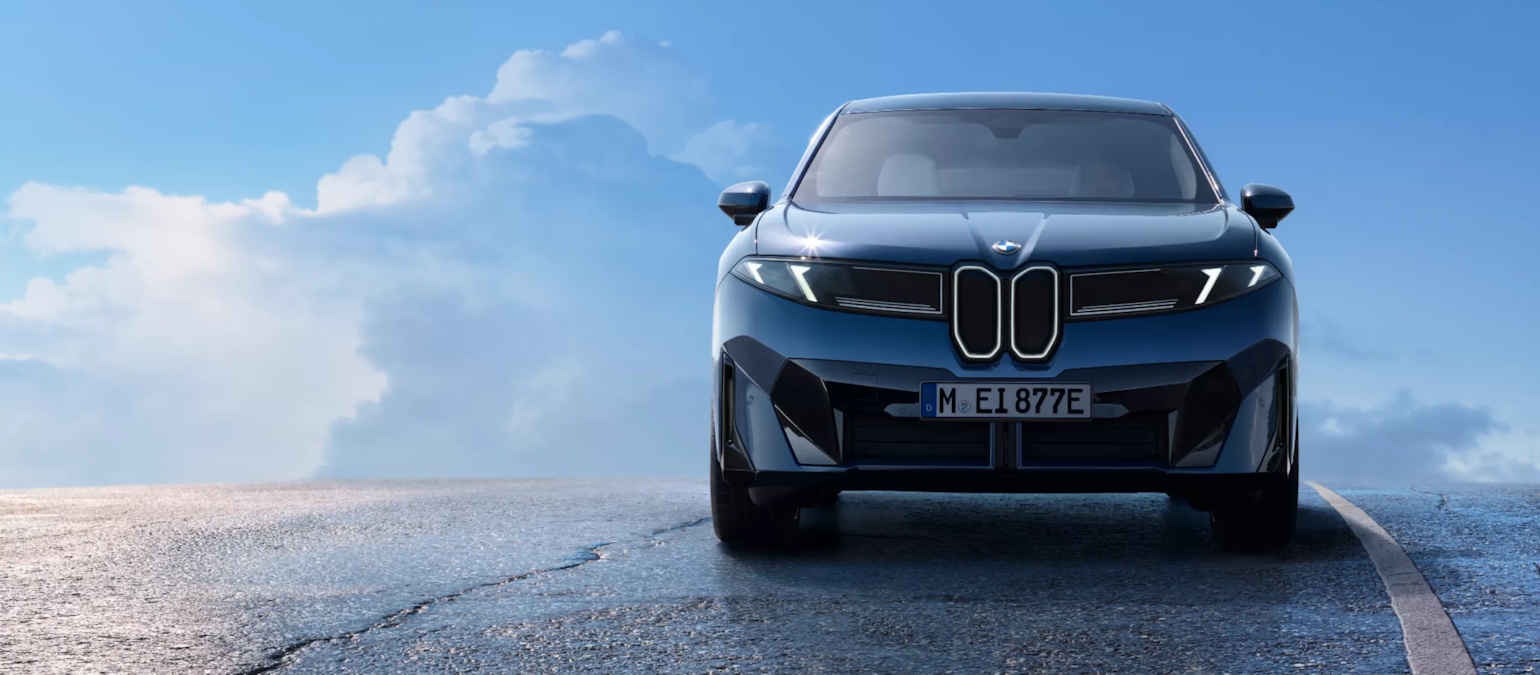
The new iX3 is a large electric SUV weighing 2,285 kg, built on BMW’s Neue Klasse platform. It scored 73% for Safe Driving, 83% for Crash Avoidance, 86% for Crash Protection and 95% for Post Crash Safety.
The Safe Driving score reflects something worth noting: BMW explicitly designed physical controls for the indicators, hazard lights, horn, headlights and gear selectors back into the iX3. That is a direct response to the criticism that has plagued touchscreen-heavy cabins, and Euro NCAP rewarded it. The driver monitoring system detected physiological fatigue and impairment well, though it was less sensitive to short-term visual distraction. In 2,000 km of real-world driving across Italy, France, Germany and Austria, the speed limit recognition system identified signage correctly in 86% of cases, covering 97% of the total distance driven.
The Crash Avoidance score of 83% reflects autonomous emergency braking that exceeded the new requirements across vehicle-to-vehicle, junction-turning and motorcycle collision scenarios. Pedestrian and cyclist protection was excellent.
In Crash Protection, the iX3 scored maximum points in all side-impact tests. Frontal offset testing showed good or adequate protection across adult body types including the small adult female dummy. The one mark dropped here: a marginal driver chest score in the full width test, despite maximum points for both rear child dummies.
The Post Crash result of 95% is where the iX3 shone most clearly. High-voltage battery isolation was flawless, electrically actuated door handles remained fully operable after impact and included a manual override release, and the eCall setup reliably coordinated with first responders.
Zeekr 7GT: Better in Three Categories, Penalised for One Design Decision
The Zeekr 7GT Privilege AWD is a large electric estate at 2,405 kg. It scored 79% for Safe Driving, 89% for Crash Avoidance, 93% for Crash Protection and 95% for Post Crash Safety. On three of the four stages it outperformed the BMW.
The Safe Driving score of 79% came with a clear split result. The driver monitoring system was excellent, earning maximum marks for detecting acute visual distraction, fatigue and drowsiness. The 7GT also includes sensors that flag incorrect lap-only seatbelt use, a manual front passenger airbag cut-off switch for rear-facing child seats, and child presence detection to alert bystanders if a child is left in the car. That’s a more complete monitoring package than most rivals offer.

The drag on the Safe Driving score was the cabin controls. Many of the 7GT’s functions, from driving settings to climate control, operate through the central touchscreen rather than physical switches, and Euro NCAP penalised it accordingly. This is precisely the same issue flagged in my article on the 2026 protocol changes and directly connects to the broader evolution of how Euro NCAP treats driver assistance technology. In 2,000 km of driving through Spain and France, the speed assist correctly identified limit signs in 79% of cases, covering 89% of total distance.
Crash Avoidance at 89% was a standout result. The AEB performed near-flawlessly across frontal, reversing and intersection crossing scenarios. A detail worth highlighting: the 7GT’s integrated dooring prevention system successfully warned occupants against opening doors into approaching cyclists. That is one of the new test scenarios introduced for 2026.
Crash Protection at 93% was the highest of the two cars. Maximum points across side mobile barrier, side pole and far-side occupant impacts, aided by its centre airbag configuration. Frontal offset testing yielded good or adequate adult protection and perfect scores for rear child dummies. Virtual modelling and sled testing validated protection across the 5th, 50th and 95th body size percentiles.
Post Crash Safety also scored 95%, matching the BMW. Automatic high-voltage isolation, automatic door unlocking and manual door handles that remained undamaged in all tests. The only points dropped: the TPS eCall functionality didn’t achieve its maximum score.
What the Scores Actually Show
| Category | BMW iX3 50 xDrive | Zeekr 7GT Privilege AWD |
|---|---|---|
| Safe Driving | 73% | 79% |
| Crash Avoidance | 83% | 89% |
| Crash Protection | 86% | 93% |
| Post Crash Safety | 95% | 95% |
| Overall Rating | 5 stars | 5 stars |
Both cars passed. Both represent genuinely safe vehicles under the most demanding consumer crash test framework in the world. But the scores tell a more nuanced story than a shared five-star rating suggests.
Zeekr outperformed BMW in three of the four categories. The gap in Crash Protection is particularly notable: 93% versus 86% is a meaningful difference that the equal star rating doesn’t fully convey. The area where BMW led was Safe Driving, and the reason is simple: physical buttons. BMW put them back in. Zeekr didn’t.
That’s a useful lesson for every manufacturer currently building software-defined cars. Zeekr’s driver monitoring is more sophisticated than BMW’s in several respects. Its AEB is better. Its structural safety is better. But the decision to route basic vehicle functions through a touchscreen cost it points in an assessment that now explicitly rewards physical controls. As my guide to EVs we wouldn’t recommend makes clear, Euro NCAP scores have real implications for buyers, not just engineers.
The results also validate the new 2026 framework in a concrete way. The four-stage structure surfaced genuine differences between two excellent cars that a single overall rating would have obscured. Both are five stars. But they are not equally safe in the same ways.
One broader note: the fact that the first batch of results under the most demanding Euro NCAP framework ever published includes a Chinese premium EV holding its own against a flagship European one should not pass without comment. The EV safety landscape is no longer one where European brands are automatically setting the standard, and it hasn’t been for a while. These results confirm it.
If you’re buying a new car and safety is a priority, my piece to the best EVs for new drivers uses Euro NCAP as its baseline, and will be updated to reflect results under the new 2026 protocols.
FAQ
Which cars passed Euro NCAP’s new 2026 tests first?
The BMW iX3 50 xDrive and Zeekr 7GT Privilege AWD were the first two cars assessed under the 2026 protocol, both earning five stars. Results were published on 8 July 2026.
What are the four stages of safety in the 2026 Euro NCAP framework?
Safe Driving, Crash Avoidance, Crash Protection and Post Crash Safety. Each is scored as a percentage and a car must meet minimum thresholds in all four to earn five stars. A strong score in one stage can no longer compensate for a weak result in another.
Which car scored higher, the BMW iX3 or the Zeekr 7GT?
The Zeekr 7GT scored higher in three of the four categories: Safe Driving (79% vs 73%), Crash Avoidance (89% vs 83%) and Crash Protection (93% vs 86%). Both scored 95% for Post Crash Safety. Both received five stars overall.
What is the dooring prevention system tested on the Zeekr 7GT?
Dooring is when a car door is opened into the path of an approaching cyclist. The 2026 Euro NCAP protocols include this as a new test scenario. The Zeekr 7GT’s integrated system successfully warned occupants before door opening when a cyclist was detected.
Featured Image Source: BMW
Latest News