Affordable EVs are becoming more common across Europe, and that is generally a good thing. Lower prices help more people move away from combustion cars, especially in cities where small electric vehicles make the most sense. But there is one area where I think buyers should slow down and pay more attention, and that is safety.
Not every EV on sale today delivers the level of crash protection many buyers now expect. Recent Euro NCAP results show that some manufacturers are pushing cost reduction a little too far, especially in the entry level segment.
The two models I personally would struggle to recommend right now are the Dongfeng Box and the Dacia Spring.
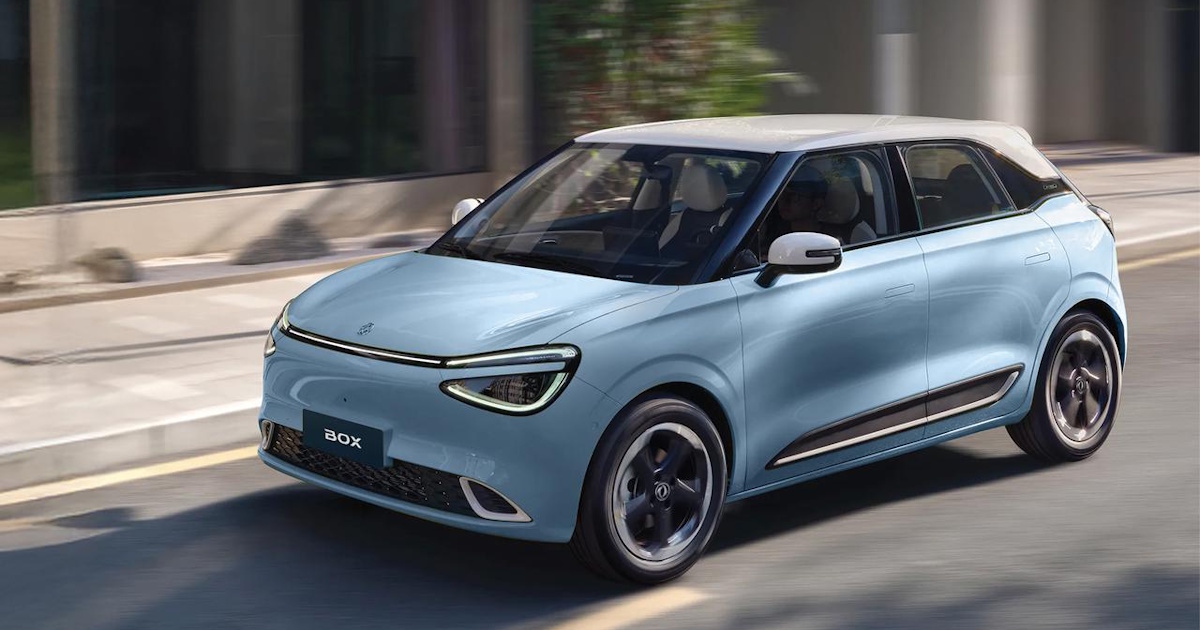
Dongfeng Box Raises Some Concerns
The Dongfeng Box recently received a three star Euro NCAP rating under the tougher 2025 testing protocol. On paper, the car looks attractive. It offers modern styling, practical interior space, and a price that could make EV ownership accessible to more people. But the Euro NCAP results revealed several compromises that are difficult to ignore.

The report highlighted concerns regarding structural performance during frontal impact testing, including issues related to spot weld integrity. While the Box is far to be considered unsafe for everyday use, the results place it noticeably below the standard many buyers now expect from a modern electric vehicle in Europe.
That is especially important because buyers often associate newer Chinese EVs with rapid technological progress. In many areas that reputation is deserved, but safety performance still varies significantly between manufacturers.
The Dacia Spring Still Feels Like Too Much of a Compromise
The Dacia Spring is a slightly different story because its one star Euro NCAP result dates back to the 2021 protocol. Even so, the rating remains difficult to overlook. To be fair, the Spring was never designed to compete with more advanced EVs. It was built around affordability above everything else. It is lightweight, extremely efficient in urban environments, and remains one of the cheapest EVs available in Europe. But once you look beyond the price tag, the compromises become much harder to justify.
The car scored poorly in several key safety categories, including occupant protection and active safety systems. For short city commutes it may still work for some buyers, but personally I would hesitate to recommend it as a primary family vehicle or for regular motorway driving.
There is simply too much competition now from newer small EVs that offer far better safety without dramatically increasing the price.
Lower Ratings Do Not Always Mean Poor Cars
One thing worth mentioning is that modern Euro NCAP ratings are influenced heavily by standard safety equipment and driver assistance systems. There are cases where a car narrowly misses a five star rating not because of poor crash protection, but because certain advanced safety features are optional rather than included as standard.

The Kia EV3 and Kia EV4 are good examples of this. Both models received four stars with their standard equipment configuration, but achieved the maximum five star rating when equipped with the optional safety pack that adds more advanced driver assistance technologies. That is an important distinction because it shows not every four star result automatically points to weak structural safety.
Cheap EVs Do Not Have to Mean Low Safety
This is where the conversation becomes more interesting. Several affordable electric cars recently missed out on the maximum five star Euro NCAP rating, including the Hyundai Inster, Renault 4, and Renault 5. That alone shows how demanding modern testing standards have become.
At the same time, the BYD Dolphin Surf managed to achieve a full five star rating despite competing in the same smaller and more affordable EV category.

That matters because it proves low cost EVs do not automatically need to compromise heavily on safety. Manufacturers can still deliver strong crash protection and modern driver assistance systems while keeping prices relatively accessible. For buyers, that is probably the most important takeaway from all these recent results.
What Buyers Should Actually Look For
A lot of people focus only on the number of stars, but it is worth paying attention to the details behind the rating as well. Things I would personally check include:
• Adult occupant protection
• Child occupant protection
• Structural stability during frontal crashes
• Presence of modern driver assistance systems
• Pedestrian protection
• Highway safety assist features
These areas often reveal much more than marketing materials or brochure specifications.
Final Thoughts
Affordable EVs are essential for wider electric vehicle adoption in Europe, and competition in the lower price segments is something I genuinely welcome. But safety should never become optional.
The recent Euro NCAP results are a reminder that buyers should not judge an EV purely by price, range, or touchscreen features. Some low cost models are managing to deliver excellent safety standards, while others are still making compromises that would personally make me think twice before signing the purchase contract.
FAQ
Is a 3 star Euro NCAP rating bad?
Not necessarily, but it usually indicates compromises in certain safety areas compared to higher rated vehicles. Under the stricter 2025 protocols, achieving five stars has become much more difficult.
Why did the Dongfeng Box receive only 3 stars?
Euro NCAP identified several weaknesses during crash testing, including concerns related to structural performance in frontal impact scenarios.
Is the Dacia Spring unsafe?
The Dacia Spring is designed as a very low cost urban EV, but its one star Euro NCAP result highlights limitations in crash protection and safety assist systems.
Why did the Kia EV3 and EV4 receive 4 stars in standard form?
Both models achieved four stars with standard equipment, but reached five stars when equipped with additional optional safety features included in the safety pack.
Are affordable EVs becoming less safe?
Not always. Some manufacturers are clearly prioritising low costs more aggressively, but models like the BYD Dolphin Surf show that affordable EVs can still achieve excellent safety ratings.
Do Euro NCAP rules change over time?
Yes. Euro NCAP testing protocols become stricter regularly, which makes direct comparisons with older ratings more difficult.
Featured Image Credit: BYD
Marko Lubar is the Founder and Editor of ElectricFleet Online, where he covers the latest developments in electric vehicles, battery innovation, autonomous driving, artificial intelligence, and the technologies shaping the future of mobility.
Learn more about Marko and the mission behind ElectricFleet Online on the About Us page.
Latest News