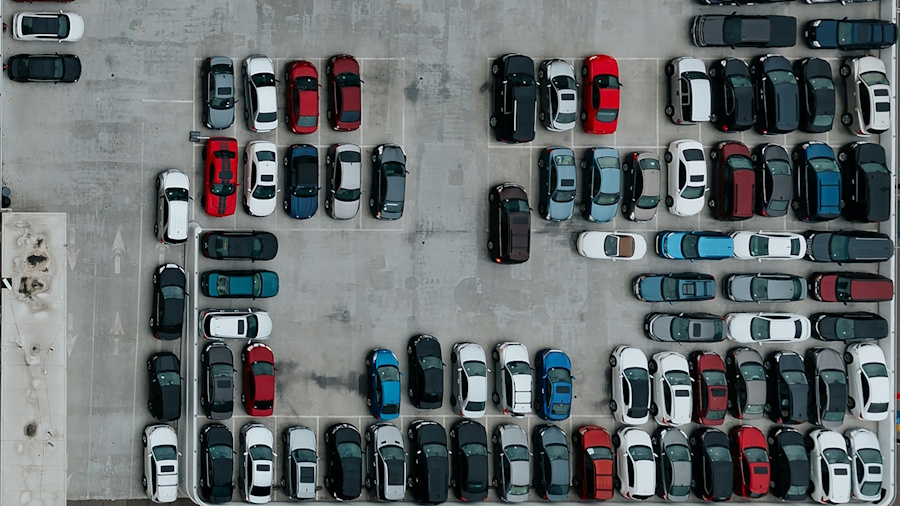
Germany’s automotive market continued its shift towards electrification in August 2025. According to the Federal Motor Transport Authority (KBA), 207,229 new cars were registered, a 5% increase compared to the same month last year. Pure electric vehicles made up almost 40,000 of those registrations, reaching a market share of 19%. This represents a remarkable year-on-year growth of around 46%. At the same time, average CO₂ emissions fell by nearly 11% to 105 g/km, showing the impact of electrified drivetrains on Germany’s fleet mix. Plug-in hybrids also saw strong momentum, climbing by almost 20% compared to the same period last year.
More From ElectricFleet: New MG Models Coming to Europe
German Manufacturers
Among German brands, performance in August was mixed. BMW and Audi stood out as clear market leaders with shares of 15.3% and 13.2% respectively. VW also posted a solid 6% growth. Together, BMW, Audi, and VW made up more than one-third of the total market. However, not all German brands shared in the positive trend. Smart suffered a sharp 36% decline, Opel dropped around 10%, Porsche slipped by 9.7%, and even Mercedes recorded a slight dip of 1.5%.
Imported Brands
Several imported marques recorded strong gains. From the EU, Seat stood out with a 20% increase, closely followed by Škoda with 14,472 vehicles, representing about 7% of the market. French and Stellantis brands such as Renault, Dacia, Citroën, and Fiat also grew, while Peugeot slipped by nearly 12%.

Asian manufacturers were more subdued. Kia declined by 11.5%, Hyundai by 7.2%, and Toyota by 6.6%. In contrast, Ford, the strongest US importer, improved its registrations by more than 10%.
More From ElectricFleet: Zeekr 7X Full Specs and Price in Europe
Tesla, however, continues to face difficulties in Germany. The company registered only about 1,441 vehicles in August, a steep decline of almost 40% compared to last year. Looking at the year-to-date figures, Tesla’s drop is even more dramatic, with more than 50% fewer registrations than in 2024.
Chinese EV Manufacturers in Germany
Chinese brands are steadily gaining traction in Germany’s EV market. MG Motor led the field with 2,140 vehicles, a share of around 1% of total registrations. BYD followed with 1,114 vehicles or fivefold more than in August 2024. Leapmotor is another winner with 826 new registrations, an impressive feat for a company that’s been in the German market for less than a year.

Other brands also showed strong growth momentum, with Polestar surging 80% and Xpeng reaching 283 new sales, which is amazing result for a brand that’s only been on the market for a year, with EVs starting at 43,000 €. On the flip side, Nio recorded a decline of more than 30% compared to the previous year.
More From ElectricFleet: Mifa 7 And Mifa 9 Are Electric MPVs With Room For Seven And Comfort To Spare
FAQ
Q: How many EVs were registered in Germany in August 2025?
A: Around 39,400 battery-electric cars were registered, a year-on-year increase of about 46%.
Q: What is the current EV market share?
A: Pure EVs accounted for 19% of new registrations, while plug-in hybrids added another 11%, bringing the total share of plug-in vehicles to more than 30%.
Q: Why did CO₂ emissions fall?
A: The average dropped to 105 g/km (–10.9%) thanks to the rising share of electric and hybrid vehicles.
Q: Why is Tesla struggling despite EV growth?
A: Tesla saw a decline of nearly 40% in August and over 50% for the year to date, with analysts pointing to brand image challenges and growing competition.
Q: Which Chinese EV brands are gaining ground in Germany?
A: MG Motor, BYD, and Leapmotor are expanding steadily, while Polestar and Xpeng are showing exceptional growth rates.

Marko Lubar is the Founder and Editor of ElectricFleet Online, where he covers the latest developments in electric vehicles, battery innovation, autonomous driving, artificial intelligence, and the technologies shaping the future of mobility.
Learn more about Marko and the mission behind ElectricFleet Online on the About Us page.
Latest News