A new generation of ultra-fast charging technology from BYD is starting to reshape the conversation around how electric vehicles should recharge. The company’s so-called “flash charging” system promises to add significant range in just a few minutes, approaching the convenience traditionally associated with battery swapping. That development has sparked renewed debate about whether the battery-swap model championed by companies such as Nio and supported by battery giant CATL can remain competitive in the long run.
While both approaches aim to solve the same problem (reducing charging time for EV drivers) they rely on very different infrastructure and business models. As charging technology advances rapidly, the balance between these solutions may continue to shift.
How BYD’s Flash Charging Works
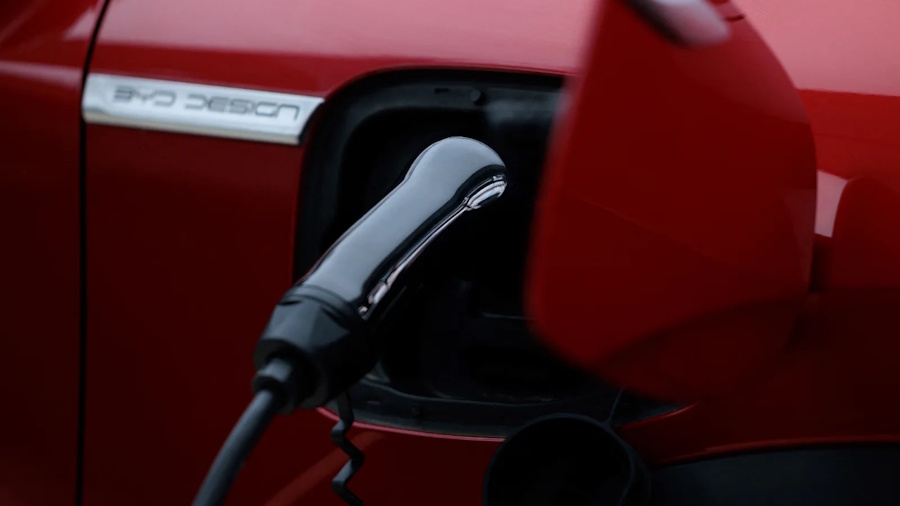
BYD’s latest charging system combines its second-generation Blade Battery with extremely high-power charging hardware capable of delivering up to 1,500 kW. Under optimal conditions, the system can raise a battery’s charge from around 10 percent to roughly 70 percent in about five minutes.

This level of performance significantly narrows the gap between traditional fast charging and battery swapping. For years, swapping had a clear advantage because drivers could exchange a depleted battery for a fully charged one in roughly three minutes. With charging speeds now approaching that timeframe, the convenience gap is shrinking.
>More from ElectricFleet: Battery-As-A-Subscription Explained
BYD is also rapidly expanding its charging network, with plans to deploy tens of thousands of these high-power charging points across China by the end of the decade. Around 4,000 units have already been installed. The company is also looking to bring the technology to Europe, although the exact timeline for the Flash Charging rollout has yet to be confirmed.
Battery Swapping: The Alternative Approach
Battery swapping takes a fundamentally different approach to refuelling electric vehicles. Instead of waiting for the battery to charge, drivers pull into a specialised station where a robotic system removes the depleted battery and replaces it with a fully charged one. Battery swapping tackles three of the biggest challenges facing EVs: slow charging, expensive batteries, and gradual capacity loss over time.


Nio has been the most prominent advocate of this system. The company has built thousands of battery swap stations across China, allowing its customers to replace their battery packs in just a few minutes.
The concept also enables battery leasing models and easier upgrades, since the battery is treated as a separate asset from the car. Nio has expanded this idea through its Battery-as-a-Service model, allowing drivers to subscribe to battery capacity rather than buy the pack outright. The approach does come with drawbacks, though. Monthly subscription fees mean constant costs, regardless of the car’s age or mileage. Battery swapping stations are still few and far between in Europe. And selling a used EV without the battery included? That’s going to be tricky, mark my word.
The Role of CATL in the Swapping Ecosystem
The battery-swap concept has gained additional momentum through partnerships with major industry players. In 2025, Nio and CATL announced a strategic cooperation aimed at expanding battery-swapping infrastructure and standardising the technology across multiple vehicle brands. The math is simple for CATL: every swap station requires a dozen or more batteries to operate effectively. More swap stations mean bigger profits.

The two companies are working to build a large network of compatible swap stations and establish common battery standards that could allow different automakers to use the same infrastructure. In theory, such standardisation could make swapping more accessible and reduce costs across the industry.
CATL has also have interest in bringing battery swapping technology to markets outside China, including Europe, although widespread deployment here would require significant investment and regulatory coordination. And we all know how Europe love regulations.
Infrastructure and Cost Challenges
One of the key differences between the two approaches lies in infrastructure costs and complexity. Battery swapping stations require significant upfront investment because they must store multiple large battery packs, robotic swapping equipment, and sophisticated management systems. Nio alone has reportedly invested billions of dollars in building its network of swap stations. Maintaining the system also requires a steady volume of swaps each day to remain economically viable.
Fast charging networks, on the other hand, rely on more familiar infrastructure. While ultra-fast chargers require strong grid connections or energy buffering systems, they do not need to store dozens of spare batteries on site. This difference in infrastructure requirements is one reason why many automakers have historically focused on charging rather than swapping.
My Take on Battery‑as‑a‑Service
Battery‑as‑a‑Service (BaaS) is often promoted as a revolutionary solution for electric vehicle owners, allowing drivers to lease batteries separately from the car and swap them at dedicated stations. In theory, it sounds appealing: lower upfront costs, the ability to upgrade to higher‑capacity batteries, and near‑instant recharging through swapping. But in practice, the concept faces serious hurdles.


The network of swap stations requires massive investment, standardisation across brands is slow, and adoption outside China remains extremely limited. European buyers, in particular, are generally reluctant to buy an EV without owning the battery, especially from a brand that is still relatively unknown in the region.
With high‑power fast charging networks expanding rapidly across Europe, BaaS will continue to struggle to justify its cost and complexity. While Nio and CATL continue to push the model, the economics and scalability of battery swapping remain uncertain at best, leaving many to question whether BaaS is a practical long‑term solution or just a niche offering for early adopters.
FAQ
What is BYD flash charging?
BYD flash charging is an ultra-fast system that can add significant range to a vehicle in just a few minutes, using high-power chargers and the company’s Blade Battery technology.
How fast is BYD flash charging?
Under ideal conditions, BYD’s system can raise a battery from around 10% to 70% in about five minutes, narrowing the convenience gap with battery swapping.
What is battery swapping?
Battery swapping allows drivers to replace a depleted battery with a fully charged one at a specialised station, usually in just a few minutes. It also enables leasing models and easier battery upgrades.
Which companies support battery swapping?
Nio is the main automaker actively using battery swapping, while CATL supports the system by providing batteries and infrastructure, including potential standardisation across brands.
Is Battery-as-a-Service (BaaS) widely available in Europe?
No. While Nio has introduced BaaS in some European markets, adoption remains limited. Many European buyers are hesitant to purchase an EV without owning the battery, particularly from lesser-known brands.
What are the main challenges of battery swapping?
Swap stations require large upfront investments, multiple spare batteries, and consistent daily usage to remain economically viable. Standardising the system across brands and markets adds further complexity.
Can flash charging replace battery swapping?
Flash charging is approaching similar convenience to swapping and is easier to scale with existing charging infrastructure. While battery swapping offers some unique benefits, its long-term viability, especially in Europe, remains uncertain.
Why might European buyers prefer fast charging over BaaS?
European EV markets already have growing high-power charging networks. Buyers tend to prefer owning the battery outright, and the added costs and complexity of BaaS can be a deterrent.
Latest News