According to recent reporting from the South China Morning Post and Associated Press, China’s market for foreign luxury cars is facing a notable slowdown as buyers increasingly turn to more affordable domestic brands. This shift reflects changing consumer preferences, economic pressures and the growing appeal of Chinese electric and plug-in hybrid vehicles with advanced technology and strong value.
Luxury Car Demand Drops in China
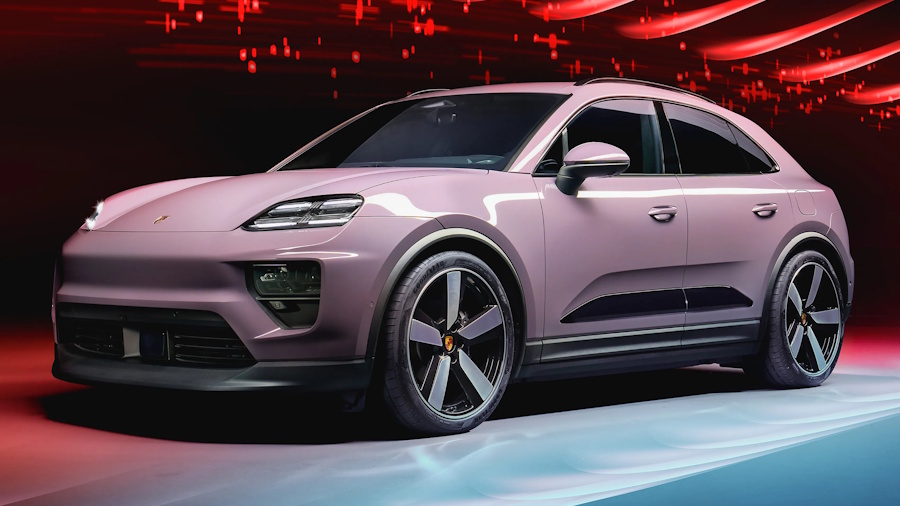
In 2025, the historic appetite for high-end European marques such as Mercedes-Benz, BMW, Porsche and Aston Martin has softened significantly. Analysts point to a slowing economy and a prolonged downturn in China’s property market as key factors reducing the desire among affluent consumers to make large discretionary purchases like luxury vehicles. Many buyers are now more cautious and less inclined to use expensive cars as status symbols.


Data from industry groups shows that the market share for premium cars (typically those priced above €35,000) has begun to retreat. After rising steadily in previous years, this segment’s share fell in 2024 and continued downward through the first part of 2025.
Domestic Brands Gain Ground with Better Value
Meanwhile, Chinese automotive manufacturers — particularly electric vehicle makers like BYD — are aggressively expanding their presence. These companies have introduced competitively priced EVs and hybrids, often equipped with modern infotainment, comfort features and advanced driver assist technologies that appeal to younger and tech-savvy buyers. Because these vehicles are more affordable and offer strong performance and features, they are increasingly displacing European brands in many buyers’ consideration sets.
Government incentives have also played a role. A trade-in subsidy for electric and plug-in hybrid vehicles has encouraged buyers to choose entry-level and mid-segment models (mostly Chinese-made) where the financial benefit is greater. Combined with broader EV subsidies and tax breaks, this has made domestic alternatives even more attractive compared with imported premium cars.
European Brands Under Pressure
As domestic brands grab more market share, European automakers are feeling the impact. Sales figures for several major luxury names in China have shown declines. For example, some German premium brands reported lower deliveries year-on-year, and discounting has become more common to move inventory. Used luxury cars have also seen price drops, with some dealerships offering steep reductions amid weaker demand.

Industry observers say this reflects broader structural changes in China’s auto market. Consumers today are more focused on value, technology and cost of ownership than on traditional status symbolism. At the same time, Chinese EV makers continue to innovate quickly and launch new models at a pace that foreign brands find difficult to match.
What This Means for Buyers and the Market
For car buyers in China, this trend means more choice at accessible price points, especially in the rapidly advancing electric vehicle segment. Domestic brands are no longer viewed as secondary options; many now offer features, performance and comfort that rival or exceed those of imported competitors.
For European and other foreign automakers, the shifting dynamics present a significant challenge. To stay competitive, many are adapting by localizing production, offering region-specific models, and enhancing technology offerings to better align with Chinese consumer expectations.
FAQ
Why are luxury car sales falling in China?
Slower economic growth, a prolonged property downturn and changing consumer attitudes toward big-ticket luxury purchases have reduced demand for high-end imported cars.
How are domestic Chinese brands gaining market share?
Chinese EV makers are offering more affordable, feature-rich vehicles that resonate with value-oriented buyers, supported by government incentives for electric and hybrid vehicles.
Which types of vehicles are becoming more popular?
Entry-level and mid-segment electric and plug-in hybrid models from Chinese manufacturers are increasingly popular due to price competitiveness, technology features and available subsidies.
What impact does this trend have on European brands?
European luxury automakers have experienced softened sales and are adapting by pricing strategies, local production and tailoring offerings for Chinese consumers.
Featured Image Credit: Porsche
Latest News