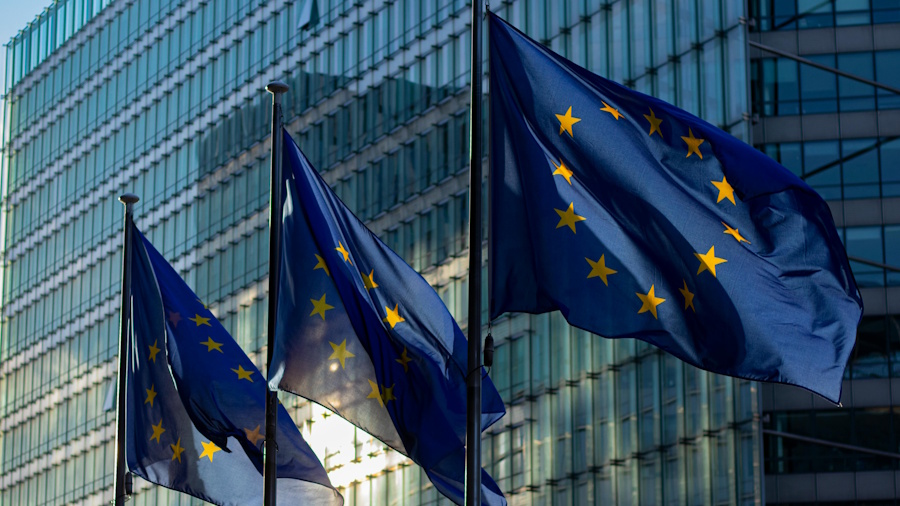
The European Union has begun its first formal review of tariffs on Chinese-made electric vehicles), following a submission from a joint venture between Volkswagen and JAC Motors in China (known as VW Anhui). According to South China Morning Post, The European Commission accepted a narrow “price undertaking” offer from VW Anhui and will now spend the next 12 to 15 months examining whether those countervailing duties can be replaced with a managed price system.
This move does not reopen the full subsidy investigation. Rather, it gives priority to a streamlined review focused on pricing. For many observers, this signals hope — perhaps other Chinese EV exporters could use a similar path to reduce or remove tariffs.
With Chinese EV imports to Europe already subject to hefty duties (some reaching over 30 %), this could mark a turning point in how Chinese-made electric cars are priced and sold in the EU.
Why the Review Now — What’s Been Behind the Tariffs
The background: Chinese EV manufacturers have benefited for years from government subsidies, cheap financing, below-market raw materials, and other supports. The EU argues these advantages have allowed exporters to undercut European automakers, distorting fair competition. As a result, Brussels imposed countervailing duties of up to 35.3 % (on top of the baseline 10 % import duty) for some Chinese EV makers.


Those tariffs were meant to “level the playing field” and protect the European auto industry from being overwhelmed by low-cost Chinese imports. However, entering into a price-undertaking review suggests that under certain conditions (like minimum import prices, transparent documentation, or sales quotas), companies may avoid these steep levies. That has opened a door (at least for some manufacturers) toward resuming more competitive exports to Europe.
What Could This Mean for Chinese EV Makers and for European Buyers
If the price-undertaking review for VW Anhui succeeds, it could set a precedent. Other Chinese EV manufacturers (or joint ventures) might follow suit, negotiating similar agreements that would lower their effective import cost.
For European consumers, that could mean renewed availability of competitively priced Chinese EVs, potentially at prices closer to pre-tariff levels. More competition would likely drive more choice, better value, and maybe even push European automakers to improve their offerings.

On the other hand, if the review does not lead to tariff reductions, Chinese EV exports could remain expensive, which might slow their growth in Europe and give European-built models a stronger competitive base.
In short: the outcome of this review could influence whether Chinese EVs become a steady, affordable choice in Europe again, or remain a niche often priced out by tariff costs.
What’s at Stake — European Industry, Climate Goals, and Markets
European automakers have repeatedly warned that flood of cheaper imports could undermine their investments in factories, supply chains, jobs. The tariffs were designed to defend local industry and ensure a fair transition to clean mobility.
At the same time, consumers and governments are pushing for more EV adoption to meet climate targets. If the review leads to lower prices for imported EVs, it might accelerate adoption, but at the risk of further burdening European manufacturers struggling to keep up. The review strikes at the heart of a tricky balance: protectionism vs. affordable green mobility. Its result will likely influence not only EV pricing, but the strategic direction of both Chinese exporters and European automakers for years to come.
FAQ
Why is the EU reviewing tariffs now?
Because VW Anhui submitted a “price undertaking”, a proposal to replace punitive tariffs with a managed minimum-price system. The Commission accepted and opened a formal review.
Does this mean tariffs will be removed?
Not necessarily. The review will take 12–15 months. If the price undertaking meets EU requirements, tariffs might be eased, but no guarantee yet.
Which companies could benefit if tariffs are eased?
Potentially any Chinese EV exporter or joint venture that meets the EU’s conditions, including minimum price commitments or transparent production documentation.
What’s at stake for European automakers?
Reduced tariff protection could increase competition, potentially pressuring European brands on price, features, and margin, or forcing further cost-cutting.
What could it mean for buyers in Europe?
More choices and possibly lower prices for EVs imported from China if duties are relaxed. Could accelerate EV adoption, especially among budget-conscious buyers.
Featured Image Credit: Pexels
Latest News