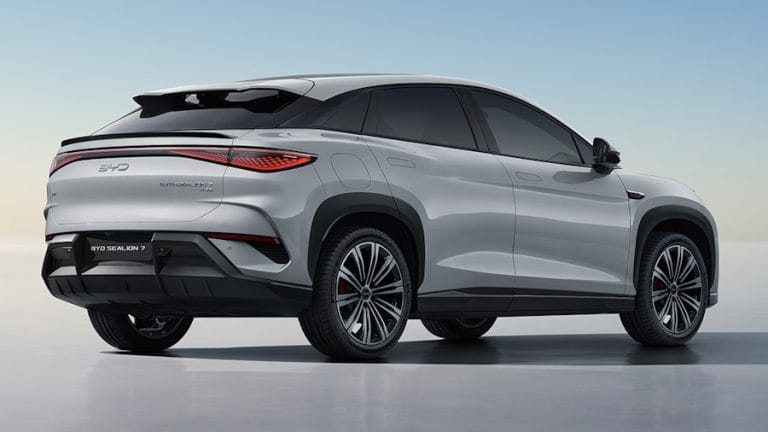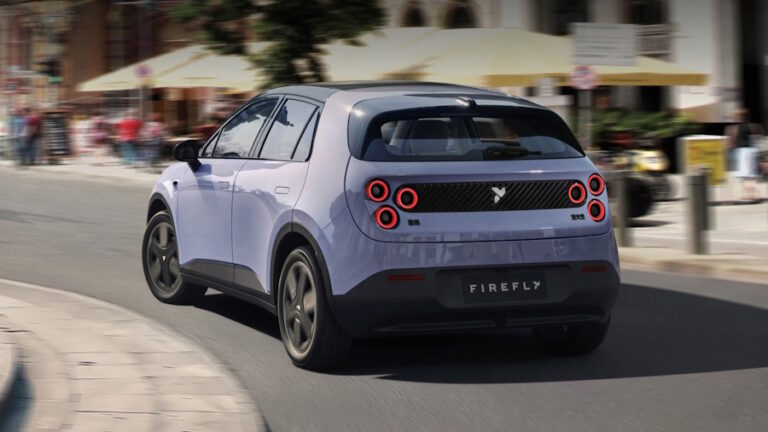

Chinese car exports to the European Union reached a landmark moment in 2025, as the total number of vehicles shipped from China to EU markets passed the 1 million‑unit mark. According to a report by the European Automobile Manufacturers’ Association (ACEA), which is relayed by CnEvPost, Chinese brands now account for roughly 7 per cent of new car registrations in Europe, up from just 1.5 per cent five years earlier. This surge shows how quickly Chinese manufacturers have moved from niche players to serious competitors on European roads, reshaping the continent’s automotive landscape in the process.
A Turning Point in European Car Sales
Crossing the 1 million threshold is about more than just a round number. It shows that Chinese manufacturers like BYD, MG and others are no longer just testing the waters but actively reshaping the European automotive landscape. The growth started strongly in the electric‑vehicle segment, but it has now spread to plug‑in hybrids and even some conventional combustion‑engine models.
For European drivers this means more choice, often sharper pricing, and a faster rollout of new technologies. For established Western brands it is a clear signal that their home turf is no longer as sheltered as it once was, and that competition is becoming both tougher and more global.
Why Chinese Exports Grew So Fast
The surge in exports is largely driven by China’s powerful electric‑vehicle ecosystem. Chinese manufacturers benefit from large production capacities, tightly integrated supply chains and the ability to bring new models to market quickly. This gives them a significant edge in keeping prices low while still offering modern features, decent range and advanced driver‑assistance systems.
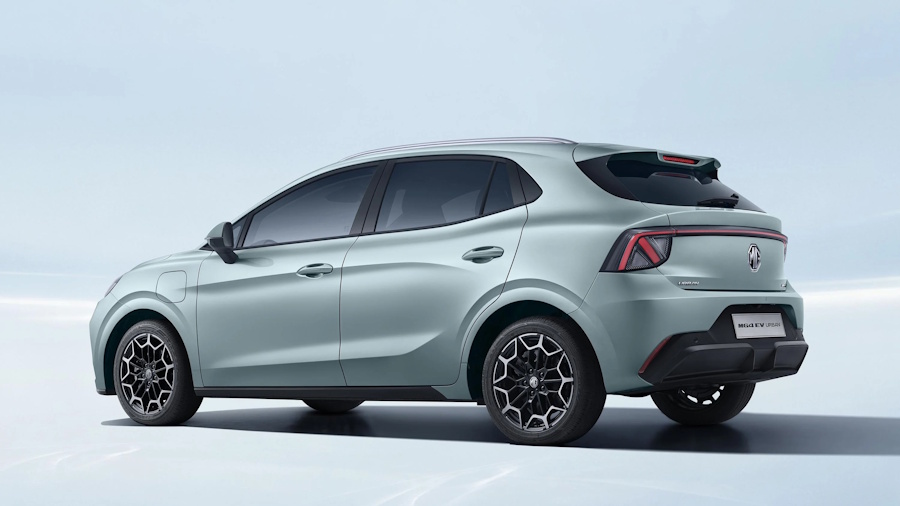
At the same time, the European market itself is shifting. Demand for EVs is rising, but buyers are also becoming more price‑sensitive and more careful about value. Chinese brands have tuned their offers to match these expectations, combining long ranges, rich equipment and attractive pricing in ways that are hard for many European rivals to match.
Pressure on European Automakers
The impact of Chinese exports is especially visible in the EV segment, where many European brands are still working to cut costs and improve margins. Some Chinese manufacturers have already recorded double‑ or even triple‑digit sales growth in certain EU countries, while others are expanding showrooms and service networks.
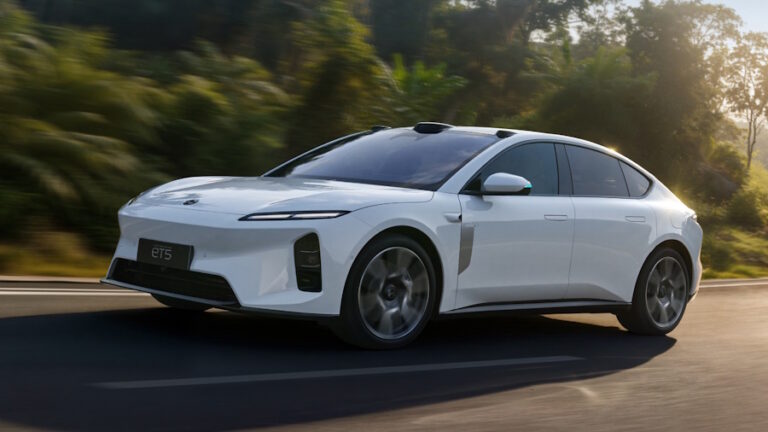
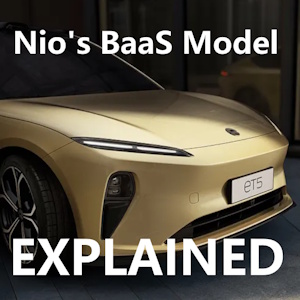
At the same time, it is important to note that not all Chinese brands are thriving in Europe. For example, Nio is struggling to gain real traction even in EV‑friendly markets such as Norway, where electric adoption is among the highest in the world. This shows that a strong product and a Chinese badge are not automatically enough to win over European buyers, and that local preferences, brand perception and service experience still play a decisive role.
>Related: Chinese EV Manufacturers In Europe: Charging Ahead Or Stalling Out?
This mixed picture creates powerful pressure on European automakers to shorten development cycles, reduce complexity and rethink pricing. In a market where margins are already thin, the arrival of well‑priced, well‑equipped rivals from China is forcing a broad industry reset, while also highlighting that success for any Chinese brand in Europe is far from guaranteed.
What This Means for Car Buyers
For consumers, the rise of Chinese exports is mostly positive. Stronger competition tends to bring more models, better standard equipment and more frequent promotions. Chinese brands have already shown they can pack a lot of technology and safety gear into a relatively affordable package, which nudges the entire market to follow suit.
On the flip side, buyers still care about long‑term reliability, resale value and the availability of service and spare parts. These factors will ultimately decide how deeply Chinese cars can settle into everyday European fleets. For now, the situation gives drivers more options, but it also demands more research before committing to any model.
FAQ
Is this growth actually important for the European market?
Yes, it shows that Chinese manufacturers are now serious competitors to established European and Western brands, not just niche or budget options. However, success varies by brand, with some Chinese entries struggling despite strong products.
Are Chinese cars in Europe mostly electric?
Most of the growth comes from electric vehicles, but the range of plug‑in hybrids and even some combustion‑engine models is expanding.
Why are some Chinese brands struggling in Europe?
Even in EV‑friendly markets such as Norway, brands like Nio have had a hard time gaining traction, which underlines that product quality alone is not enough and that local expectations, brand image and service networks matter a lot.
Could this affect car prices in Europe?
It can, because stronger competition often pushes other brands to improve their offers and keep prices under tighter control, at least in the mid‑ and upper‑mass segments.
Featured Image Credit: BYD
Latest News